Pacing 101: Managing Energy with PEM

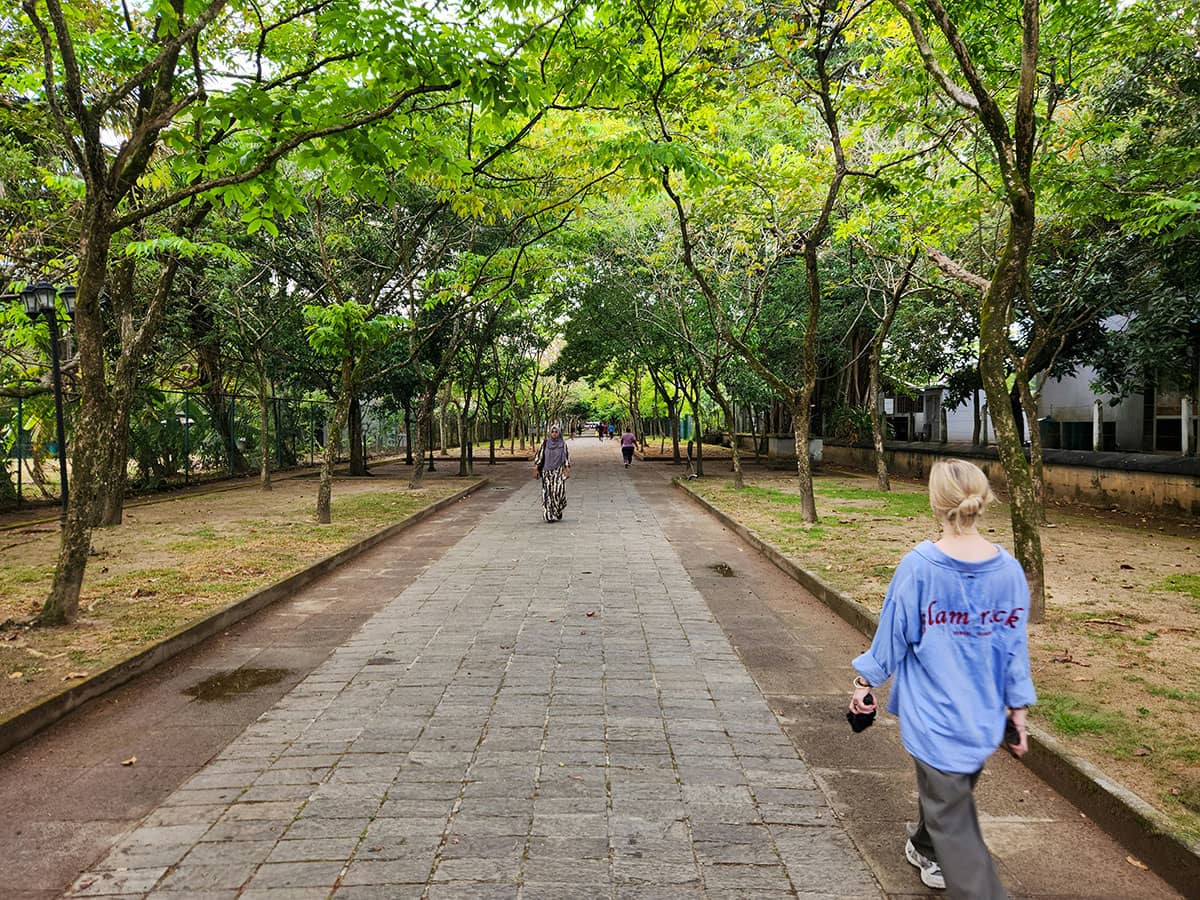
A woman slowly pacing in the park

Disclaimer: This information is for educational purposes and not a substitute for personalised medical advice. Always consult your healthcare provider for assessment and treatment tailored to you.

Many people living with Long Covid describe the frustrating and unpredictable experience of feeling “better one day and then worse the next.” 

For example, you might manage a short walk or a morning of emails only to find yourself flattened by fatigue in the afternoon. 

This unpredictable pattern is known as the boom-and-bust cycle, and we would like to let you know that it’s not a lack of willpower or motivation. It’s often a sign of what we call post-exertional malaise (PEM). PEM is a hallmark symptom of Long Covid and other post-viral conditions.

At the Apheresis Centre, we work with patients who experience these debilitating fluctuations and help them build stability through approaches like pacing and individualised therapy programmes. This guide explains what pacing is, why it matters, and how to start applying it safely.

What Is Post-Exertional Malaise (PEM)?

Post-exertional malaise means your symptoms worsen after activity, not only physical effort but also mental or emotional strain. Commonly, the crash happens 12–48 hours after the triggering activity and can last days or even weeks.

Activities as small as folding laundry, reading emails, or attending a social event can trigger fatigue, brain fog, or pain well beyond what seems reasonable.

Learn more about the biology behind this in our post Why You Still Feel Sick: The Hidden Biology of Long Covid.

How PEM Feels (and How It’s Different from Normal Tiredness)

Common PEM Symptoms

  • Sudden or delayed exhaustion.
  • “Brain fog” or slowed thinking.
  • Muscle heaviness or weakness.
  • Flu-like feelings.
  • Sleep that doesn’t restore energy.

Fatigue vs. PEM

  • Normal fatigue: improves with rest → PEM: can persist even after sleep.
  • Exercise: helps fitness → Exertion: worsens PEM.
  • Effort: PEM symptoms are disproportionate to what you did.

Why PEM Happens in Long Covid

Current research suggests Long Covid affects how our cells produce and store energy, how the nervous system regulates stress responses, and how microclots and inflammation disrupt recovery. This mismatch means your body can’t “bounce back” after exertion, which leads to the cycle of collapse.

What Is Pacing?

Pacing Explained

Pacing means balancing your activity with your available energy and staying within your “energy envelope.” Instead of reacting after a crash, you plan rest before symptoms appear.

What Pacing Is Not

  • Not graded exercise therapy.
  • Not “pushing through” fatigue.
  • Not permanent avoidance of all activity.

Pacing is about self-regulation, not surrender. It helps your body stabilise so that recovery can happen progressively and safely.

Signs You Might Benefit from Pacing

  • You feel worse 12–48 hours after activity.
  • You experience “good days” followed by a crash.
  • Mental focus causes physical exhaustion.
  • Sleep doesn’t fully restore you.

If this sounds familiar, talk to your doctor. This isn’t a diagnosis, but a helpful pattern to discuss.

Common Triggers That Can Cause a PEM Crash

Physical Triggers

  • Walking too far.
  • Standing for long periods.
  • Household chores.

Cognitive & Emotional Triggers

  • Screen time.
  • Concentration-heavy tasks.
  • Stressful or emotional interactions.

Read about managing heat or environmental triggers in our post Managing Long Covid Heat Intolerance in the Heat of Summer.

How Basic Pacing Works in Daily Life

Core principles

  • Breakdown tasks into easy-to-manage steps.
  • Schedule rest breaks before you feel fatigue setting in.
  • Prioritise essential tasks and reschedule the rest.
  • Keep a Symptom Diary to identify patterns.

Energy as a limited resource

Think of your energy like a battery or a budget.  Once the battery is empty and fatigue sets in, it’s going to take longer to recharge. Planning around your “available charge” keeps you more stable across the week.

Why pacing can feel counterintuitive

We’re taught that pushing through tiredness builds strength. But with PEM, this approach delays healing. Feeling “lazy” or “stuck” is normal when dealing with chronic illness, but pacing isn’t weakness; it’s about strategy. By staying within your personal limits, you give your body the conditions and energy it needs to recover.

为什么节奏对长 COVID 至关重要?

Long COVID is a complex condition that often affects multiple systems in the body, leading to symptoms like profound fatigue, brain fog, and shortness of breath. Many individuals experience a boom-and-bust cycle: feeling slightly better, pushing too hard to catch up on activities, and then crashing due to overexertion. This cycle not only delays recovery but can also worsen symptoms over time.

以下是节奏对恢复的作用:

  1. Prevents Post-Exertional Symptom Exacerbation (PESE): By avoiding overexertion, pacing minimises the risk of symptom flares caused by physical, mental, or emotional strain.
  2. Conserves Energy: It ensures that limited energy reserves are used efficiently, leaving enough capacity for essential tasks and recovery.
  3. Supports Healing: Adequate rest and measured activity levels help reduce systemic stress and give the body time to repair and restore itself.
  4. Reduces the Boom-and-Bust Cycle: Pacing helps break the pattern of overactivity followed by crashes, stabilising energy levels and fostering gradual improvement.
  5. Improves Symptom Management: By staying within the “energy envelope,” individuals can better manage symptoms like fatigue, brain fog, and physical weakness.
  6. Enhances Mental Health: Pacing can reduce frustration, guilt, and anxiety associated with pushing too hard, leading to a more positive outlook on recovery.
  7. Builds Resilience: It helps individuals learn their limits, which can lead to a more sustainable and proactive approach to managing their condition.

Ultimately, pacing is about respecting your body’s current capacity, which creates the conditions for more steady and long-term recovery.

认识你的能量边界

掌握节奏的第一步是了解自己独特的能量边界。这些界限通常是动态的,每天都会不同,取决于睡眠质量、压力水平和症状严重程度等因素。识别过度疲劳的早期预警信号是保持在自己能量范围内的关键。

接近极限的常见迹象包括

  • 心率加快或呼吸急促。
  • 注意力难以集中或脑雾加重。
  • 身体有沉重感或虚弱感。
  • 感到烦躁、不知所措或情绪低落。

记录日常活动和症状可以帮助您找出模式和诱因。随着时间的推移,这种做法能让您更好地预测何时需要放慢速度或休息。

克服节奏方面的常见挑战

节奏是一个简单的理论概念,但它往往需要心态上的重大转变,尤其是当你习惯于高度活跃或富有成效时。因为需要放慢节奏而感到沮丧或内疚是很常见的。你甚至会觉得自己已经放慢了很多,但还没有达到身体目前的能力。这就是为什么步调在 Long COVID 的健康指导中占据重要位置的原因。

以下是一些克服这些挑战的建议:

  • Be Kind to Yourself: Acknowledge that pacing is a necessary part of your recovery and not a sign of weakness.
  • Celebrate Small Wins: Recognise and appreciate your progress, no matter how small.
  • Seek Support: Seek professional support on how to apply pacing to your personal health situation and recovery journey. 

When Should You Speak to a Doctor

You should seek professional support if:

  • Symptoms persist beyond 4–8 weeks after infection.
  • Crashes are severe or worsening.
  • Fatigue is interfering with work duties or daily functioning.

Documenting your activity with an activity/symptom diary can help your clinician identify triggers and suggest tailored therapies.

Pacing and Long-Term Recovery

Pacing lays the foundation for recovery, but it’s not the endpoint. Stabilising energy allows other forms of treatment, including vascular and autonomic therapies, to work more effectively.

Recovery from Long Covid is rarely linear. We have found that with the right guidance and planning, setbacks can become less frequent and less intense.

Discover our holistic approach in Comprehensive Long Covid Therapy at The Apheresis Centre.

FAQ: Pacing and PEM

Is PEM the same as chronic fatigue?

No. PEM describes symptom worsening after exertion instead of general tiredness. It’s commonly seen in Long Covid and ME/CFS.

Can pacing make me weaker?

No. Avoiding crashes protects your system and helps maintain a sustainable baseline.

How long should I pace for?

There’s no set timeline. Continue until your post-activity recovery becomes more predictable.

Can mental effort trigger PEM?

Yes. Concentration on difficult tasks, highly emotional conversations, or decision-making can be just as draining as physical tasks.


Author / Medical Review Note
Written by Andrew Smith, reviewed by Dr Inbar Tofan, Medical Director at The Apheresis Centre, who has over 10 years of experience in chronic illness care and post-viral recovery medicine.